

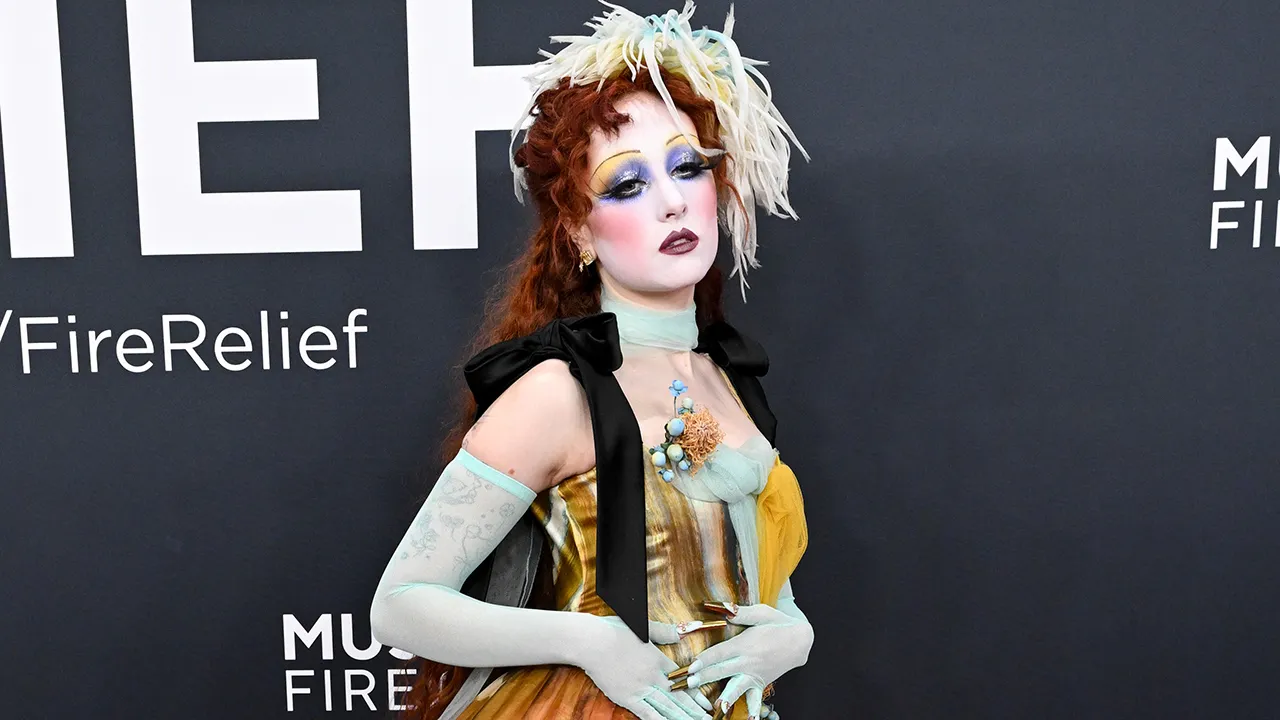

“Pink Pony Club” by Chappell Roan is more than an upbeat pop song about a colorful nightlife venue. For many listeners, it represents the excitement of finding a place where you can finally be yourself, even when that means going against expectations. Searching for songmeanings pink pony club often leads to questions about the song’s story, its deeper themes, and what the Pink Pony Club itself represents.
Released in 2020, the song gradually developed a devoted following before becoming one of Chappell Roan’s signature tracks. Its combination of theatrical pop, emotional storytelling, and LGBTQ+ themes gives it a meaning that goes beyond its catchy chorus. At its heart, “Pink Pony Club” is about leaving behind a life that no longer feels right and embracing a more authentic version of yourself.
What Is “Pink Pony Club” About?
“Pink Pony Club” tells the story of a young woman from Tennessee who becomes fascinated by the nightlife and performance culture of Los Angeles. Her mother worries about the direction her daughter is taking, while the daughter feels increasingly drawn toward a world where she can express herself freely.
The song uses this conflict to tell a much bigger story. On the surface, it sounds like a fun song about dancing, performing, and nightlife. Underneath that bright exterior is a familiar emotional struggle: choosing between the life other people expect you to live and the life that feels genuinely yours.
The Pink Pony Club functions as a symbol of that new life. It is a place where the narrator can dance, perform, socialize, and express parts of herself that may have been difficult to show at home.
This is why the song can connect with people who have never visited a club or participated in drag culture. Its central idea is universal. Many people reach a point where they have to decide whether to continue following an established path or take a risk and create a life that feels more meaningful.
The song doesn’t simply portray rebellion as an act of defiance. Instead, it presents self-expression as something joyful and necessary. The narrator isn’t leaving simply because she wants to upset her mother. She is moving toward something that makes her feel alive.
The Meaning of the Pink Pony Club
The “Pink Pony Club” is a literal and symbolic representation.
The track was inspired by Chappell Roan’s experiences in the drag and nightlife scenes in Los Angeles. The Pink Pony Club is based on a real-life club that originated in The Abbey, and the song turns West Hollywood into a kaleidoscopic fictional club.
The club is symbolizing freedom in the song. It’s a world in which the usual ways of doing things aren’t so significant and being individual is more important.
The colour pink is also used to enhance the exaggerated and playful mood of the song. Pink is typically seen as a feminine colour, glamorous, romantic and performance. The name is almost like a dream come true, when you add the concept of a “pony club.” That theatrical aspect is just right for Roan’s artistry.
The Pink Pony Club, however, isn’t always precisely a physical place. To the listener, it may mean any setting in which he or she feels accepted.
That could be a night club for one individual. On another level, it may be a creative community, a circle of friends, a new city, or a new profession that give them a way to express themselves. What matters is that you feel you’ve found a place to fit in.
This symbolic significance is among the factors that make the song so special to LGBTQ+ audiences. The narrative is of the experience of breaking away from expectations, and finding a place where identity and self-expression instead can be embraced.
Freedom Versus Family Expectations
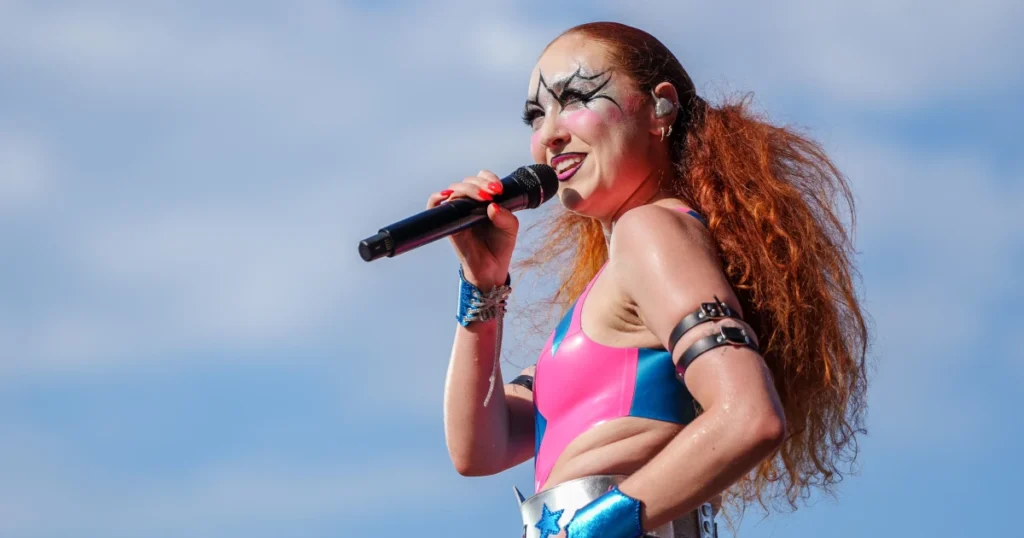
The bond between the narrator and her mother is one of the most poignant aspects of “Pink Pony Club.”
The mother is the person who is familiar to the narrator and that he/she is leaving behind. She believes there are some expectations for a safe and respectable life. The nightlife world looks somewhat dangerous and weird to her.
But the daughter sees otherwise. She sees possibility.
But it doesn’t mean that either character is entirely incorrect. That is one of the reasons that the song is emotionally effective. The mother cares, is worried, but the daughter knows that the old place will require her to sacrifice a part of herself.
The conflict represents a shared childhood experience. Children’s parents often envision a future for their children, however, children will eventually have their own ideas about their futures and their own self-concept.
The tune has transformed this familiar family quarrel to a colorful pop song. The narrator’s decision to reject her mother is not only angry, it’s a complicated choice that may encompass many different emotions resulting from independence.
There’s excitement, guilt, confidence, not sure, and there’s some longing.
The emotional complexity adds depth to “Pink Pony Club” beyond what its vibrant production could be imagined to deliver.
Self-Discovery and Finding Your Community
Self-discovery is also a theme of note.
The trip by the narrator to Los Angeles is more than just a physical one. It is a change of heart. She meets a culture and community that gives her a new perspective.
This is particularly important when it comes to performance. Performing requires visibility. A person comes to a stage and exposes himself to the others.
That can have a profound impact on a person who has been yearning for years to be seen as they want to be.
The Pink Pony Club thus turns into a space of confidence. The narrator is not merely observing others act but she becomes a part of the world.
This sense of community is also why the song has been a concert favorite, and has been enjoyed at live shows. When the song is sung together, its message becomes a common one. The listener isn’t alone anymore. All are involved in the celebration of individuality.
Also, there is a significant difference between fitting in and belonging.
When it comes to being fit, it usually involves making changes to yourself in order to be accepted. Belonging is to be accepted without losing the qualities that make us different.
The Pink Pony Club represents the second idea. It is a place where it is not something that needs fixing if it is unusual.
Why the Song Became So Popular
Pink Pony Club is an original film released in 2020, which has become a huge hit in the previous years. This is an example of a song that is still in a steady increase over time as listeners slowly start to get in touch with its story.
Several factors contributed to its being memorable.
The first thing is that the song has a good story line. It doesn’t just use abstract emotions, it provides the listener with characters, places, and a clear path to follow. It’s easy to picture the place in Tennessee, the journey to LA, the club, the stage and mom’s response.
Secondly, it resonates with its content. The production is bright, dramatic and theatrical with vulnerability in the underlying story. This difference is what makes the track so unique.
Third, the song is an emotional experience that many can relate to. These are all experiences that everyone will go through when they move out, discover themselves, create a new identity and look for community, and no one can have it only once.
The song may resonate particularly with LGBTQ+ audiences due to its association with queer nightlife and performance culture. It’s message of authenticity is broader, and many other listeners can relate to that.
Her music also got a resurgence of attention when she became a more popular pop star later on in her career, under the name Chappell Roan. It had become a popular song and as more people heard it they started to pay more attention to the message that was being relayed.
Final Thought
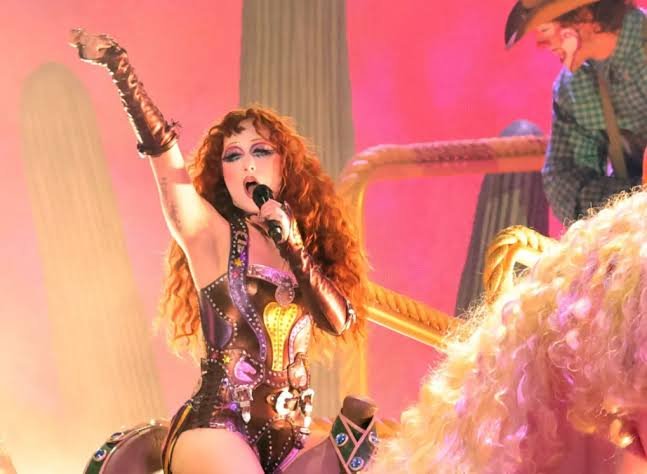
“Pink Pony Club” works because it manages to be both extremely fun and genuinely emotional. Its colorful imagery, theatrical production, and memorable setting make it easy to sing along with, but the story underneath gives the song lasting meaning.
At its core, the song is about having the courage to choose yourself. The narrator leaves behind a familiar environment and moves toward a community where she can express who she really is.
The Pink Pony Club becomes a symbol of that freedom. It represents the moment when you stop asking whether your life looks right to everyone else and start asking whether it feels right to you.
That message explains why the song continues to resonate with listeners. Beneath all the glitter, dancing, and theatrical energy is a simple idea: sometimes finding yourself means finding the place where you are finally free to be yourself.
Visit this site and more information: Vogue Magazine
FAQs
What does “Pink Pony Club” mean?
“Pink Pony Club” represents a place of freedom, self-expression, performance, and community. Within the song, it symbolizes the narrator’s decision to embrace a life that feels authentic to her.
Is “Pink Pony Club” based on a real place?
The song was inspired by Chappell Roan’s experiences with Los Angeles nightlife and drag culture. The Pink Pony Club itself works as a fictionalized and symbolic setting rather than simply being a description of one ordinary club.
What is the main message of “Pink Pony Club”?
The central message is about self-discovery and having the courage to pursue an authentic life. The song contrasts personal freedom with the expectations that family or society may place on someone.
Why is “Pink Pony Club” important to LGBTQ+ listeners?
The song is closely connected to queer nightlife, drag performance, and the experience of finding an accepting community. Its themes of identity and self-expression can therefore have particular significance for LGBTQ+ audiences.
Why is the mother important in the song?
The mother represents the narrator’s old life and the expectations associated with it. Their conflict highlights the emotional difficulty of choosing independence while still caring about the people whose approval matters to you.
Why does “Pink Pony Club” feel so joyful despite its emotional story?
The contrast is intentional and effective. The energetic, theatrical sound reflects the excitement of freedom, while the story acknowledges the uncertainty and emotional tension involved in leaving a familiar life behind.
