

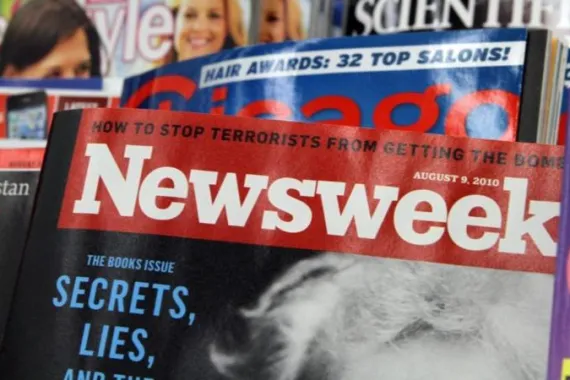

For readers interested in current affairs, politics, culture, science, business, and global events, the newsweek magazine latest issue can be an easy way to keep up with important stories in one place. Newsweek has built a long-running reputation for covering major developments while also publishing opinion pieces, interviews, lifestyle content, and special features.
Each issue reflects the conversations and events receiving attention at the time of publication. Some editions focus heavily on politics or international affairs, while others may give more space to technology, entertainment, health, business, or cultural trends.
Because news changes quickly, readers should also consider the difference between a magazine issue and Newsweek’s continuously updated website. The print or digital magazine provides a more curated reading experience, while online coverage can change throughout the day as new information becomes available.
What You Can Expect From the Latest Newsweek Issue
An ordinary Newsweek magazine is a compilation of some of their stories as opposed to them trying to cover all the events occurring in the world. This editorial style enables readers to have more time on topics chosen and pursue longer features which could give a context than a brief news story.
The publication is frequently current of the political development. The readers can also come across news of elections, decisions made by the government, relations between countries, major political discussions and influential political leaders, depending on the news cycle.
The other big domain is the international news. Changes in the world, diplomatic successes, the economy and significant events in other parts can be captured. Through such stories the reader can see how what happens to the rest of the world maybe able to influence the wider world.
The magazine can also have sections dedicated to business, technology, science, entertainment and society. This combination helps it to suit people who would prefer a general outlay as opposed to the publication that concentrates on a single topic.
Why Readers Still Follow Newsweek
Newsweek has managed to remain well-known because of one reason, a blend of news coverage and magazine style narrations. Rather than just posting a headline and several paragraphs, more in-depth features may offer more background, interviews, analysis and context.
The topics discussed in the publication are not limited to the traditional hard news. Readers also can read about famous people, mass culture, new technologies, health, travel, historical events and evolving social trends.
Convenience is another benefit. A magazine issue can replace the curated set of stories of someone who does not have time to monitor dozens of individual news sources. It can be a beginning of acquiring more information about those subjects that should be given more attention.
Concurrently, readers must be able to differentiate reporting, analysis and opinion. There are various kinds of articles all with different purposes and by knowing the distinction between articles, it becomes easier to assess what you are reading.
Print, Digital, and Online Newsweek Coverage
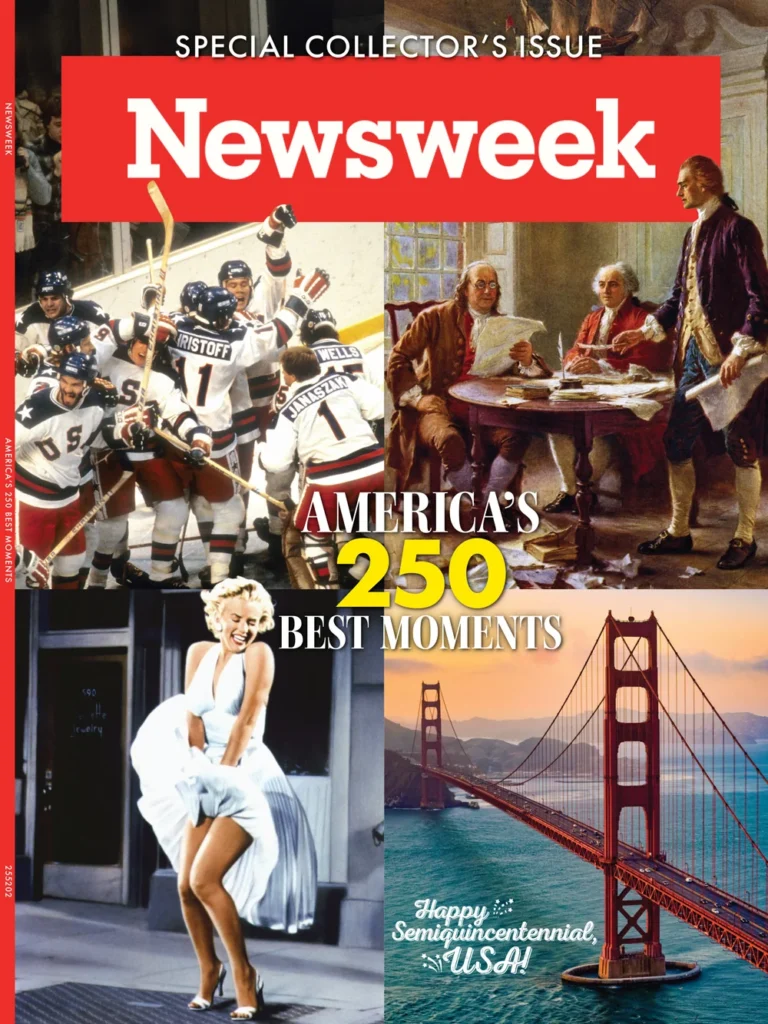
The latest issue of the magazine may not be the same thing as the most recent Newsweek article. The magazine is published on a schedule, whereas the Newsweek site has the ability to access and update the articles as the day goes on.
Digital access can then aid the readers in need of information that is more readily available. A magazine article is subjected to an editorial and production process through which it has passed before it is posted online; hence, online articles can have events responded to in a much shorter time scale.
The experience with a magazine issue is different, however. The stories that it follows are arranged in a more organized package, making a longer reading process easier. Physical magazinesReaders who like the experience of reading magazines off-screen can also have a hardcopy version.
Online magazine covers may present an in between position. They make an issue available in electronic form but still preserve a great deal of the structure of the magazine format.
The most desirable variant varies according to the way in which you read news. Magazines may attract readers who like curated features and want to have an update on the current news on an ongoing basis like every time they read the website.
How to Get the Most From the Latest Issue
The experience could be more beneficial when one reads a news magazine critically. Begin by skimming the key stories and see what matters most to you. You do not have to pay equal attention to reading all the articles, instead, select features that will give you something useful or a different point of view.
In situations where one is talking about a significant political, scientific or international problem, it is a good idea to refer to other more credible sources. Reporting comparison can aid you in interpreting where sources of information converge, where the information is still unclear and when it has been interpreted differently.
Publication dates are also worth taking note of. What was a true story at the time of publication may need further context due to the unfolding events.
As far as large breaking news is concerned, online reporting is, as a rule, more suitable since new events may occur after a magazine is ready. A magazine issue can offer a checking or slower reading experience (for background, interviews, features, and broader analysis).
The differentiations they need to make as readers are facts and projections and judgments. An excellent reading practice includes questioning what evidence is given, who is it that has been quoted, and whether a statement of information is a reporting of a known fact or a proposition.

Final Thought
The newsweek magazine latest issue can be a useful source for readers who enjoy a broad mix of current affairs, politics, culture, business, science, and feature journalism. Its greatest value is the curated nature of magazine publishing, giving readers an opportunity to spend time with selected stories instead of constantly moving from one breaking headline to another.
However, no single publication should be treated as the only source of information. For rapidly changing events, readers can supplement the magazine with current online reporting and other reputable sources.
Whether you prefer print, digital editions, or online articles, Newsweek can provide a convenient way to keep up with subjects shaping public conversations. The key is to read carefully, consider context, and compare important information when accuracy matters.
Visit this site and more information: Vogue Magazine
FAQs
What is included in the latest Newsweek magazine issue?
The contents vary by edition and publication date, but issues commonly feature current affairs, politics, international news, business, science, technology, culture, entertainment, and longer feature stories.
Is the latest Newsweek magazine available digitally?
Newsweek provides digital access options, although availability and subscription terms can vary. Readers should check the official Newsweek platform for the current options.
Can I read Newsweek without buying a print magazine?
Depending on the current access options, readers may be able to access Newsweek content online or through digital editions. Availability can depend on the subscription or access plan.
What topics does Newsweek cover?
Newsweek covers a wide range of subjects, including politics, world news, business, science, technology, health, entertainment, culture, and lifestyle.
Why should I read a magazine when online news is available?
Magazines offer curated stories and longer-form features that can provide more context than short breaking-news updates. They can also make it easier to focus on several important topics without constantly following live updates.
How can I verify information from a magazine article?
For important claims, compare the information with other reputable sources, check the publication date, examine the evidence provided, and distinguish reported facts from opinions or analysis.
