

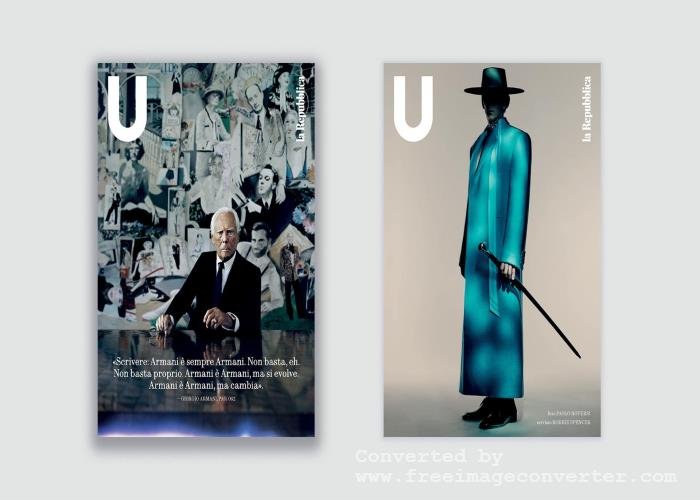

Italian media has a long tradition of combining serious journalism with culture, politics, social commentary, and everyday life. La Repubblica magazine is often associated with this broader tradition, offering readers a way to engage with Italian society through news, ideas, cultural coverage, and lifestyle content. Its identity is closely connected with la Repubblica, one of Italy’s best-known newspapers, and its wider publishing presence.
To those readers who take interest in journalism in Italy, the magazine idea does not just constitute a set of articles. It represents the way in which the publications might unite the latest events, cultural discussions, interviews, opinion, entertainment, and live-style practical topics. At the time when a large portion of the news is presented on smart phones and social media, magazines with a solid editorial hand remain playing a significant role.
There is also the attraction by the connection between journalism and culture. Italy is a nation with a long literature, film and art, fashion, food and political discourse history, and the topics often intersect in its media. A magazine affiliated to a large national newspaper can bring a wider approach to these regions but retains an editorial attitude.
What Is La Repubblica Magazine?
By people speaking of La Repubblica magazine, they can be talking about magazine-style content related to la Repubblica such as supplements, special publications, cultural sections, lifestyle features, and other editorial projects. As opposed to considering it as a conventional stand-alone magazine, it is important to consider it as a part of a bigger publishing ecosystem in the context of the newspaper.
la Repubblica was founded in Rome in 1976 by journalist Eugenio Scalfari. During the decades, it grew to be a big Italian newspaper with a unique editorial image. It has covered politics, economy, global events, culture, society, sports and entertainment.
This newspaper tradition is further enriched with the magazine-style approach. Readers are able to access longer content, interviews, cultural commentary, lifestyle content, and special-interest content, which otherwise might seem to be unlike daily news that is consumed in rapid succession.
This juxtaposition is important since readers do not necessarily desire the same kind of information. Breaking news will provide the answer to what has happened and feature journalism may take more time to clarify why something is important. An article on culture can be context based, interpretational as opposed to reporting an event.
The balance is one of the reasons as to why the magazine oriented journalism continues to be relevant. It provides readers with the opportunity to take their time, deliberate on various perspectives, and explore topics other than those on the news of the day.
The Editorial Identity Behind the Publication
The nature of a given publication is defined by the past, journalists, the people giving it, the audience, and the editorial preferences. In la Repubblica, history has significantly contributed to its niche in Italian journalism.
The news paper was known especially due to its focus on politics, public affairs, and social issues. Meanwhile, its publishing business grew to a large coverage of cultures. It has enabled the readers to switch between serious coverage and topics of books, movies, arts, music, television, travels, and modern life.
These subjects are the best to use magazine-type journalism as they can be told as stories. An interview with an artist, e.g. could be more than a simple outline of a new project. It is able to study the career of the person, influences, creative process and his/her relationship with the society.
The same is applicable to travel and lifestyle writing. One brief news item may herald a new destination trend, whereas a more of a feature may detail the history, the mood and food, the people and the evolving character of a place.
This is one editorial type that can ensure that a publication is appealing to the readers of varied interests. A person might come in to comment politically but stay to write in a cultural feature. A different reader might want to read about movies or dresses and come across an article concerning a wider societal concern.
Why Italian Readers Value Magazine-Style Journalism
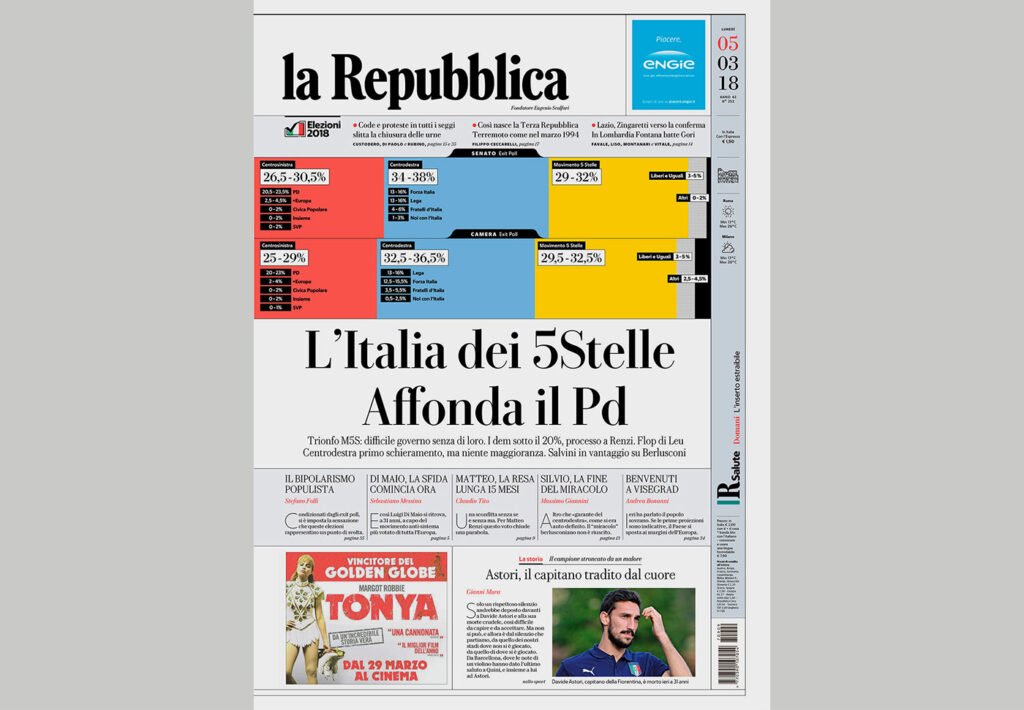
This is what is lacking in the short-form digital content—depth that magazine-style journalism can provide.
Headlines, notifications, short videos, social posts and fast updates are all that online readers are surrounded by. This is an environment in which knowledge is readily available, although it can also serve to make individual histories seem out of context with their broader context.
It is that context that long-form journalism gives an opportunity to establish. Authors have the opportunity to provide some background facts, have interviews, look at opposing views, and describe developments in more detail.
This is particularly crucial in the context of speaking about topics like politics, economics, cultural change, or social trends. There are seldom straightforward answers to these topics. It is very useful to readers to know the history of a given problem and various forces which have contributed to it.
The cultural enrichment of the country is another unique strength of Italian cultural journalism. A journal can tie modern life with the ancient traditions, local identities, art movements, and shifting social identities.
To foreigners, such content might also be a peephole into Italy outside of the cliche images of ancient cities, fashion, food, and tourism. Journalism can demonstrate the way Italians talk about themselves and the way in which the development of national discourses works.
Culture, Lifestyle, and Entertainment Coverage
The ability to read about non-traditional hard news topics is one of the greatest motivators that make people gravitate towards magazine-like publications.
Books, films, theater, music, visual arts, architecture, and television can all be considered as part of culture. The coverage of lifestyle may be transcended to travel, food, fashion, design, wellness, and everyday trends. When tactfully addressed, such topics are more than just entertainment.
To look at an example, a piece on Italian food can review the regional traditions, and their transformation. Not only clothing, but also design, sustainability, identity and consumer behavior can be discussed in a fashion article. One of the aspects of a film that can be analyzed in a film review is its reflection of modern issues.
This expanded perspective assigns cultural journalism to an interpretive task. It assists the reader to know what a cultural product conveys about the culture that produced it.
Another significant aspect of magazine-style writing is interviews. An interview developed has the potential to show the personality and thoughts of a writer, director, musician, designer, athlete or public figure. The article is able to contextualise a persons current work in a bigger career or cultural discussion, rather than just addressing his/her most recent project.
To the readers, this leaves a more personal touch to the topic and yet offers helpful information.
La Repubblica Magazine in the Digital Era
Digital media development has transformed the conventional methods of accessing the target audience by traditional publishers. Newspapers and magazines can no longer solely rely on printed editions. They can be consumed via websites, mobile gadgets, newsletters, online editions, social media, podcasts and so on.
Readers have shifted their expectations with this transition. People desire fast information and at the same time, they desire content that is simple to navigate and be available in various devices.
To an established Italian publisher, it is of significance that an editorial identity be preserved in this landscape. Having a good brand name can assist the reader in differentiating between professionally published journalism and the vast number of untested facts that are freely available on the internet.
Multimedia storytelling is also made an opportunity by digital publishing. Photos, video, audio, graphics, timelines, and interactive can be used to support an article. These tools do not negate the value of writing well but merely help to break the complicated stories into understandable ones.
Simultaneously, digital journalism brings about problems. To guarantee that audiences focus on the content, publishers have to meet the demands and adapt to shifting audience patterns, retain editorial quality, but generate content rapidly.
Journalism is thus in a state of evolution. The format can be revamped as digital screens instead of printed pages however, the necessity to have proper reporting, critical thought, and valid sources will still exist.
The Continuing Importance of Trusted Journalism
One of the best properties that a media organization can develop is trust. People get more information than ever before but it is important to recognize that the fact that one has more information does not automatically imply that he has better information.
Professional journalism is about research, verification and editorial judgment and responsibility. These attributes are of particular significance when high stakes are involved in the political processes, social discussions, and economic transformations, as well as when it comes to international crises.
Continuity is also acquired through established publications. Readers are able to track a story as it progresses, and observe how things unfold rather than having to rely on the disjointed posts or headlines.
To younger readers and viewers who mostly seek information online, it is the responsibility of traditional publishers to prove why editorial standards should be considered. It does not lie in the fact that more content should be published. It is to give useful reporting that can help readers know what they are viewing and why it is important.
Here is where the magazine approach can be useful. Thoughtful feature does not necessarily have to be speeding with a post on social media. It can be strong in context, narrative, research, and point of view.
What is the Engaging Magazine Content?
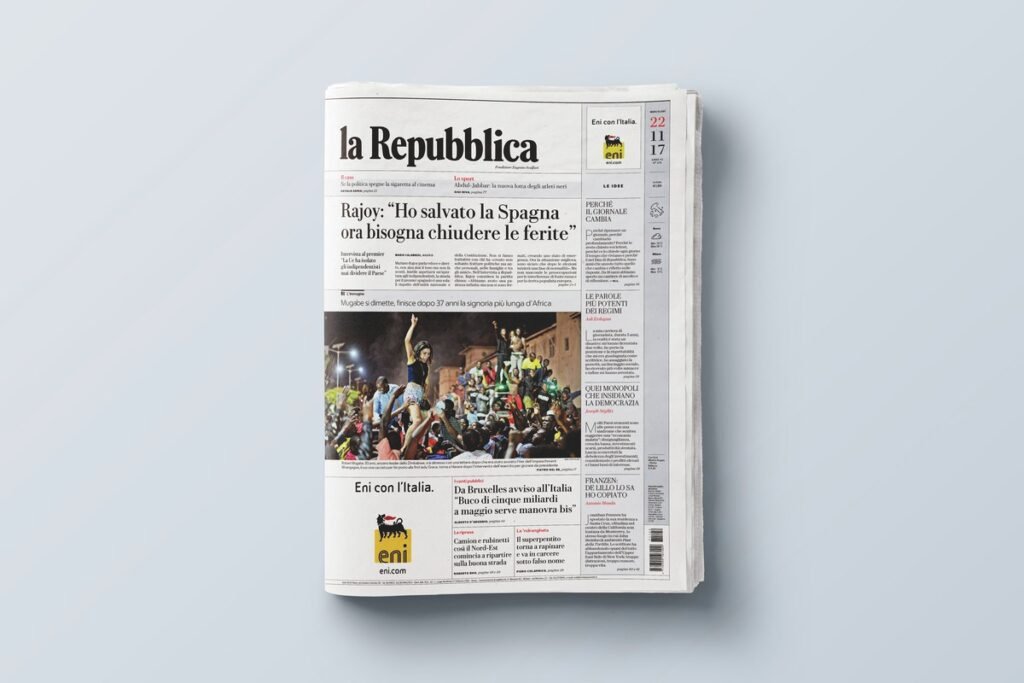
Good magazine journalism typically has a well-blended mix of information and a human touch. Readers desire facts, but also seek stories which relate those facts to real people and experiences.
An interesting aspect can be initiated by one or more people, place, or incident or question and slowly build up into a bigger argument. This organization enables a reader not to be overwhelmed by a complex topic.
The style of writing is important as well. Even challenging subjects can be easier to read with the help of clear language, natural transitions, good headlines and well-organized sections.
Relevance is another consideration. The most interesting cultural and lifestyle narratives relate to the questions that the readers have interest in. What is behind the revival of some fashion trends? What impact is digitally related with relationships? What is it about a specific movie that sings to the audience? What is the Italian cuisine doing to meet the new generations?
These questions make simple matters generalized.
Personality also helps in magazine journalism. Authors are able to acquire a unique voice without losing the truth. Such equilibrium of personality and credibility is one of the features which distinguish considerate editorial material and some generic online content.
Final Thought
The La Repubblica magazine reflects the overall concept of magazine-type journalism that is tied to a large Italian newspaper tradition. Its merit is that it unites news, culture, lifestyle, entertainment, commentary and human stories in a manner that invites readers to spend more time with a topic.
With the constantly evolving media habits, publications need to fit in the new digital platforms and its new requirements. But the fundamental charm of good journalism is exceptionally the same. The readers would desire credible information, entertaining stories, context, and insights that would make them comprehend the surrounding world.
Publishing in the future might take a very different form than it was in the past, however, the principles of a good editorial material are still important. Be it printed or delivered through a web page, smart journalism can still be able to inform, challenge and bond the reader.
Visit this site and more information: Vogue Magazine
FAQs
What is La Repubblica magazine?
La Repubblica magazine generally refers to magazine-style editorial content associated with la Repubblica, including cultural, lifestyle, entertainment, feature, and special-interest publications or sections.
What is la Repubblica known for?
la Repubblica is a major Italian newspaper known for its coverage of politics, current affairs, economics, culture, society, sports, and international news.
Who founded la Repubblica?
Journalist Eugenio Scalfari founded la Repubblica in Rome in 1976.
What topics can readers find in magazine-style content from La Repubblica?
Readers may encounter subjects including culture, books, cinema, music, art, fashion, travel, food, society, interviews, lifestyle, and current affairs.
Is magazine journalism still relevant today?
Yes. Although readers increasingly consume information digitally, long-form journalism remains useful because it provides context, research, analysis, and storytelling that short updates often cannot offer.
How has digital media affected traditional magazines?
Digital media has expanded how publishers distribute content. Articles can now appear through websites, mobile platforms, newsletters, digital editions, social media, podcasts, and multimedia formats, allowing publications to reach readers beyond print.
