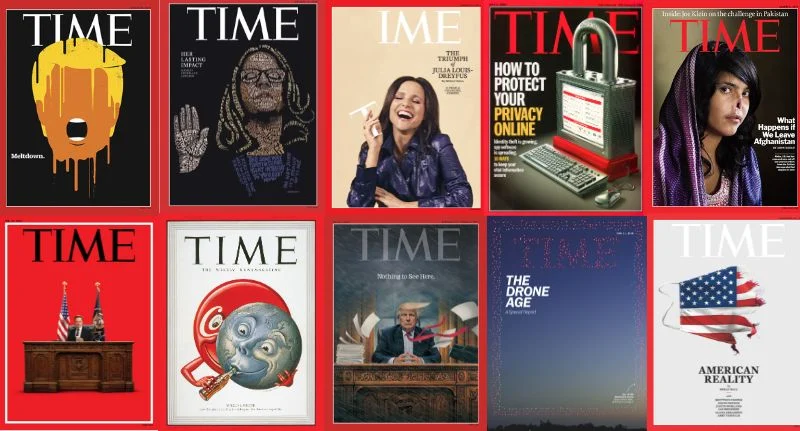
Time Magazine has been one of the most recognizable names in American journalism for nearly a century. Since its founding, the publication has reported on politics, business, science, entertainment, culture, and major events around the world. Its distinctive red border and memorable covers have helped make it a familiar part of modern media.
For generations of readers, the magazine has offered more than individual news stories. It has helped place important events into context and has introduced influential people, ideas, and movements to a broad audience. Its reporting has changed with the media landscape, moving from a traditional weekly print publication toward a broader digital presence.
Understanding the history and influence of this publication provides an interesting look at how journalism has evolved and how media organizations can shape public conversations.
The History and Origins of Time Magazine
Henry R. Luce and Briton Hadden started Time Magazine in 1923. The founders sought to develop a publication that could encapsulate significant news to busy readers in an easily understood and structured manner.
The magazine became an alternative to the Newspapers because they were the most important sources of news each day. It did not merely give a lot of information but instead concentrated on what was really important and reporting it in a manner that aided the reader to comprehend what was important.
The magazine swiftly acquired a memorable image. It had a weekly format where it enabled journalists and editors to give more context to political news, international happenings, business news, and culture happenings.
The publication grew its coverage and gained strength over the decades. Its audience increased with the evolving position of the magazines in the American society.
Another feature which the magazine was renowned because of was its visual presentation. It was the red that was encircling its cover that grew especially familiar, and came to be closely tied to the brand itself.
Why Its Covers Became So Famous
Time Magazine has one of the most identifiable features; the cover. The publication made the cover more than a mere wrapping in order to make it a significant aspect of the storytelling.
An average cover may have a political leader, celebrity, scientist, athlete, artist or any other public personality. In other instances, even the cover itself was a subject of big debate.
The recognition of the cultural role that the magazine achieved by being able to embody the essence of an era with one photograph or illustration. The visual design of the publication could easily be identified by the readers due to the visual appearance.
Specifically the tradition of Person of the Year is famous. The publication picks one person, group, or occasionally, concept each year that it believes made the most impact on the events of the year. The choice does not necessarily imply that the person impacted positively. Rather it is about power and importance.
Person of the Year awards have over the course of time been given to political leaders, business people, activists, entertainers, scientists and to groups of persons. The selections usually spawn debates regarding who or what was really influential in shaping a given year.
Its Role in Journalism and Popular Culture

Time Magazine has impacted beyond the conventional news coverage. Throughout its history, magazines have had a significant role in shaping what stories gain protracted publicity.
Its journalists have reported wars, elections, economic developments, innovation, social movements, and international conflicts. These reports have enabled the readers to read what is happening outside their immediate headlines.
The publication has also become a part of the popular culture. Its covers have been seen in living rooms, offices, libraries, classrooms, and the newsstands throughout the world. Some covers have already been used as visual symbolism of significant events in history.
The manner that it structures information is also related to its influence. Readers do not only seek the facts but also analyze, provide background, and answer the questions of why events are important in the established publications.
The digital age has made that role more complex. Social media, sites, alongside apps and online video make news breakers available to people. Conventional magazines have thus been forced to struggle to capture the interest coupled with seeking alternative forms of delivering value.
How the Publication Adapted to the Digital Age
The emergence of internet altered the media industry. Readers did not have to wait until the next weekly issue in order to be informed about such big developments.
Time Magazine retaliated by increasing its online journalism and publishing online. Through the content of its news, features, interviews, opinion pieces, among other types of material, its web site provides readers with the ability to gain access to the news and the features and an interview alongside opinion literature at the time they do not necessarily have to look upon a printed publication.
The digital publishing also transformed the way in which stories are to be presented. Online articles may also have videos, interactivity, current news and links to other news.
Meanwhile, the organization has retained attributes of its traditional identity. The identifiable branding and attention to key individuals and events are still significant elements of its social image.
The move marks a larger trend in journalism. Effective media companies must grow more and more to reach out to people on many different platforms and still be accurate, credible, and feature a familiar editorial voice.
Why Time Magazine Still Matters
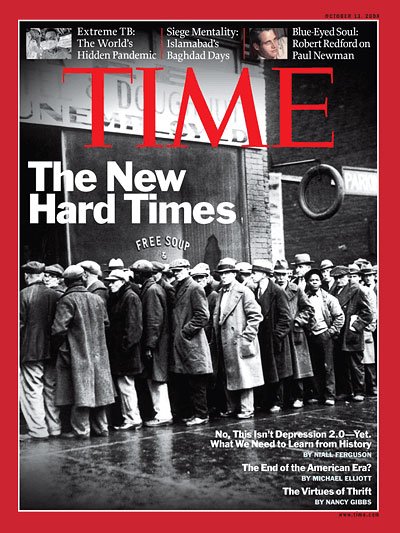
The importance of Time Magazine today is connected to its long history and ability to document major moments. A publication with decades of archived coverage can provide valuable context for understanding how society has changed.
Its historical reporting can help readers compare past events with current developments. Looking back at older articles and covers can show how public attitudes toward politics, technology, culture, and social issues have evolved.
The publication also remains relevant because of its ability to bring different subjects together. Politics may appear alongside science, entertainment, business, and culture, giving readers a broader view of the world.
However, readers should remember that no publication represents every perspective. Responsible media consumption involves comparing information across reliable sources and considering the evidence behind major claims.
In a media environment filled with fast-moving information, thoughtful journalism remains valuable. Publications with established editorial processes can contribute context that short social media posts or isolated headlines often cannot provide.
Visit this site and more information: Vogue Magazine
Final Thought
Time Magazine has played a significant role in modern journalism since its founding in 1923. From its early focus on concise news summaries to its modern digital presence, the publication has adapted to major changes in how people consume information.
Its famous covers, Person of the Year selections, historical reporting, and coverage of major global events have helped establish a lasting cultural presence. While the media industry continues to change, the need for trustworthy reporting and meaningful context remains.
The story of the magazine is ultimately part of the larger story of journalism itself. As readers move between print, websites, social platforms, and other forms of media, publications with a strong historical record can continue to provide useful perspectives on the people and events shaping the world.
FAQs
When was Time Magazine founded?
Time Magazine was founded in 1923 by Henry R. Luce and Briton Hadden.
What is Time Magazine best known for?
It is particularly known for its news coverage, distinctive red-bordered covers, influential reporting, and annual Person of the Year selection.
What is Person of the Year?
Person of the Year is an annual selection recognizing the person, group, or concept that had the most significant influence on events during a particular year.
Is Time Magazine still published today?
Yes. The publication continues to operate and has expanded its presence across digital media while maintaining its traditional magazine identity.
Why are its covers historically important?
Many covers have captured influential people and major events, turning them into memorable visual representations of particular moments in history.
How has Time Magazine changed with the internet?
It has expanded from traditional print publishing into digital journalism, offering online news, features, multimedia content, and other forms of coverage.
Leave a Reply