

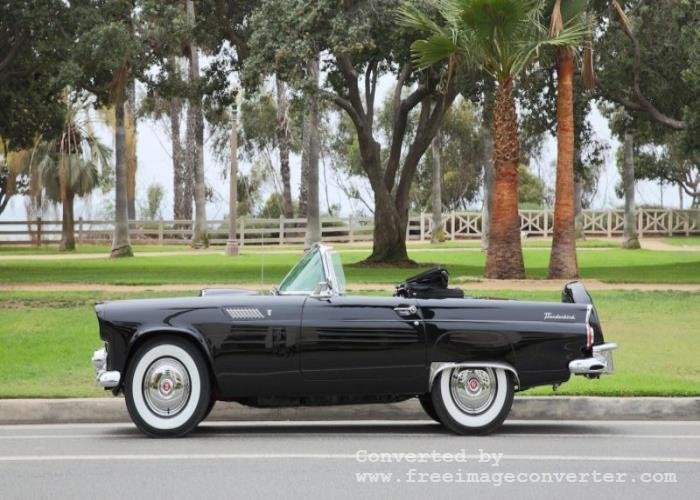

Classic car magazine content has a special way of bringing automotive history to life. It is not simply about old vehicles sitting in garages or appearing at weekend shows. A great classic car publication tells the stories behind the machines, the people who built them, the owners who preserved them, and the eras that made each model memorable.
Classic cars continue to attract enthusiasts because they represent something that modern vehicles often cannot replicate. Their styling feels distinctive, their mechanical systems are easier to appreciate, and many carry decades of history. Whether someone has been collecting automobiles for years or has recently developed an interest in vintage motoring, reading about these vehicles can make the hobby even more rewarding.
Why Classic Cars Continue to Capture Attention
A classic car is commonly attractive in terms of its look. Older cars have a personality that can hardly be overridden by their long hoods, rounded headlights, chrome details, elegant grilles, unique dashboards and well-formed bodywork. There are numerous of her vintage models which have been created in the days when looks and artisanship were significant in the development of automobiles.
Nevertheless, appearance is not everything. Single cars are also a link to the past. Specific car model can recreate a childhood road trip, the first car owned by their family member or a movie made by somebody during a different time period. The nostalgia that comes with a well-maintained vintage automobile can be espoused even by persons who have a weak background in the automotive field.
Mechanical attraction is also present. Outdated vehicles tended to have basic systems as compared to numerous current vehicles. Predictable parts include carburetors, manual gearboxes, mechanical gauges, straight-forward suspension parts, and conventional engines that allow the enthusiast a chance to know how the vehicle functions. It can be easier to work on one than it is to give a complex computer.
The vintage cars also give the classic car enthusiasts a sense of uniqueness. Contemporary vehicles tend to have similar designs due to safety mandates, aerodynamics, technology and manufacturing. The classic automobiles, on the other hand, may be completely transformed in appearance between one year of production and another.
The Stories Behind Legendary Automobiles
And perhaps one of the best aspects of classic automotive culture is getting to know the tale of a given model. A car can get significance on various grounds. It may have been a breakthrough feature in design, offered a breakthrough to a company, had won a significant race or may have gained popularity among a whole new generation of drivers.
Automobile magazines and fan publications may prove particularly useful here. Explanations as to why a car became important are seldom forwarded by specifications. You can give a historical background to bring a memorable story in a bunch of numbers, and the meaningful article provides this historical background.
To give an illustration, the issue of how a sports car is developed could be informative as to why its designers decided to adopt this or that engine structure. An article about an expensive car may detail the design of the inside of the car. A newspaper or magazine about a muscle automobile can put its performance perspective within it in the game between the makers of that time.
Owners own stories as well. A vehicle might even go through generations of the same family before it gets to the person who owns it. Some other might have passed years during storage and have been restored later. There is those which are bought as cheap projects and later the treasured show-pieces.
These first hand stories bring a touch of emotion to automotive writing. They help readers to keep in mind that classic cars are not mere machines. They are the things which enter the lives of people.
Restoration, Maintenance, and the Classic Car Hobby
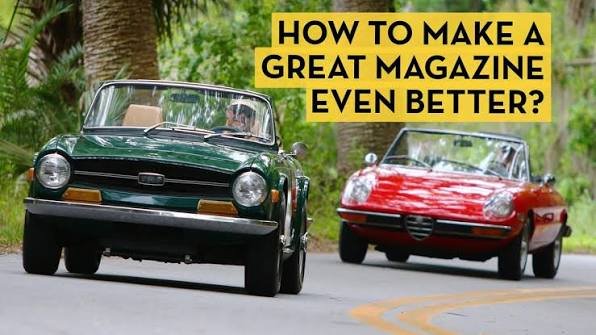
One of the most rewarding aspects of owning a classic car can be restoring an older car but it is hardly ever a straightforward task. Restoration may require bodywork, paint, upholstery, electrical work, engine repair, suspension, and finding hard-to-find parts, depending upon the condition of the vehicle.
Considerate restoration starts with research. Possessors must be aware of the way the vehicle used to appear and how it used to perform. The original colors, factory equipment, the material used in the interiors and wheels, badges, engine parts, and other details can make an enormous difference when the finished work is reached.
All classic cars do not have to be brought up to showroom standards, though. There are those owners that like preservation. They can preserve a vehicle in rather original state with noticeable traces of age. Some opt to use a restomod approach where the classic appearance is maintained but with new features, like improved brakes, suspension parts, air conditioning or better engine systems.
Maintenance is also crucial. A modern day driver car might need more regular maintenance as compared to an older car. Fluids, belts, hoses, tires, electrical connections, cooling system and seals should be inspected on a regular basis. Even when vehicles are not used frequently, long-duration parking can cause issues with the cars.
To this end, ownership has as much to do with being patient as being enthusiastic. It can be time consuming to get the right replacement part. The cost of a restoration can be higher than anticipated. A mechanical problem can be at times much bigger than a small mechanical problem. The process can be greatly facilitated by proper planning and prudent expectations.
How Classic Car Publications Keep the Culture Alive
A good classic car magazine is not just a publication that features pictures of beautiful cars. It serves as a linkage between generations of fans. Older readers might already recall some of the models, and younger readers are able to hear the reasons as to why those cars were important.
Car magazines should touch on not only history and restorations of cars but also interviews with car enthusiasts and report on car events. The owners may also be assisted by technical stories on how to keep their cars in shape and they can be helped on which to purchase before buying an older car by buying guides.
Photography also plays an important role. An automobile that is well photographed can show its details that cannot be easily seen in real life, such as the shape of a fender, the texture of a real dashboard. Period photographs may also be quite interesting since they demonstrate how such cars looked like when they were new.
A sense of community can be gained through magazines, too. They might include the stories about local car clubs, road rallies, auctions, concours events, restoration workshops, and private collections, which the readers will find interesting. These aspects demonstrate that the ownership of classic cars is not necessarily the individual hobby.
Probably, most significantly, publications contribute to the storage of knowledge. Certain vintage cars are becoming more and more rare and data on their specs, manufacturing revisions, frequent mechanical issues, and originality can be hard to locate. Research data on automotive writing assists in maintaining the same to the future generation of fans.
Choosing and Enjoying a Classic Car Today
Purchasing a classic car is not merely a case of picking a model that is anything but unattractive. Prospective buyers need to consider the way they will utilize the car. A car involved on the occasional weekend drive with the family may not need the same requirements should be on the frequent touring or attending events.
The other significant consideration is condition. A cheaper car that needs extensive work might actually prove to be more expensive than one in good condition. The buyers are recommended to investigate the body, chassis, engine, transmission, electrical system, interior, and documentation prior to making a choice.
Originality can be also important. Other collectors value factory-correct examples highly whereas others consider more on driving enjoyment. Each of the two methods is not wrong. It has to be the correct decision based on the owner, his priorities, available budget, his/her mechanical skills, and long-run strategies.
Documentation may give an added value to a car. It is possible to determine the maintenance history of a vehicle through service records, restoration photographs, original manuals, ownership history and receipts. An official record can also enhance interest of the car to the subsequent owners.
Storage cannot be neglected. Having a dry, safe environment where a car can be maintained without the hostility of moisture, extreme temperatures, and uncommon exposure are some of the advantages of a classic car. The paint, the interior, the tires and the mechanical parts can be preserved with the help of proper storage.
Above all, the car should be enjoyed by the owners. Vintage cars are designed to be driven, and driving one along a scenic road or just spending an afternoon servicing it may be an aspect of the experience. The market price is not the sole measure of the value of a classic. Memories formed around it can be much deeper.
Final Thought
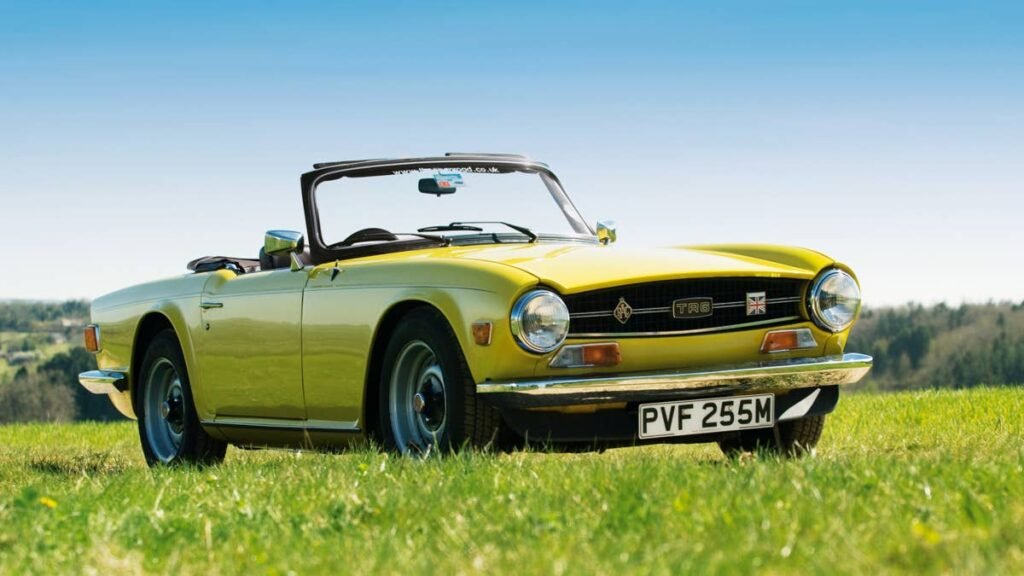
Classic cars have remained in a differentiated position within the automotive culture since they encompass design, engineering, history, and personal recollection. Every car bears a narrative, be it of a rare collectors car, a household commuter, or a classic sports car or a car in its next promise phase.
An automobile magazine can help to conserve those stories and provide enthusiasts with a venue to learn, share experiences, and enjoy the art of automobile craftsmanship. Restoration tips and historical aspects to profiles of their owners and event coverage are the best auto content that will help these machines feel as part of themselves instead of history.
The ownership of classic cars might be transformed in future, with the progress of technology, regulations, and habits of the collection, yet the interest of the automobiles of beautiful design and historical significance is not likely to vanish. To a good number of enthusiasts to keep an old car running is more than repairing a car. It is one method of preserving a bit of automotive history.
Visit this site and more information: Vogue Magazine
FAQs
What is a classic car?
A classic car is generally an older automobile valued for its historical importance, distinctive design, engineering, rarity, or cultural significance. The exact definition can vary between organizations, collectors, insurers, and regions.
Why do people enjoy reading about classic cars?
People read about classic cars to learn automotive history, restoration techniques, ownership experiences, model specifications, collecting trends, and stories about memorable vehicles. Publications also connect enthusiasts with the wider classic car community.
Is buying a classic car a good investment?
A classic car can appreciate in value, but there is no guarantee. Condition, rarity, originality, provenance, demand, maintenance costs, and broader collector interest can all influence value. Buyers should consider enjoyment as well as potential financial returns.
Should a classic car be restored or preserved?
That depends on the vehicle and the owner’s goals. Restoration may be appropriate when a car is heavily deteriorated, while preservation can be preferable when an automobile retains significant original features and historical character.
How should a classic car be maintained?
Regular inspections, fluid changes, proper storage, battery care, tire checks, cooling-system maintenance, and attention to leaks or unusual mechanical symptoms can help keep an older vehicle in good condition. Specialist advice may be useful for rare or complex models.
What makes a classic car valuable to collectors?
Rarity, originality, condition, historical significance, desirable specifications, documented ownership history, and strong demand can all contribute to collector value. Some cars are also highly desirable because of their motorsport history or cultural importance.
