

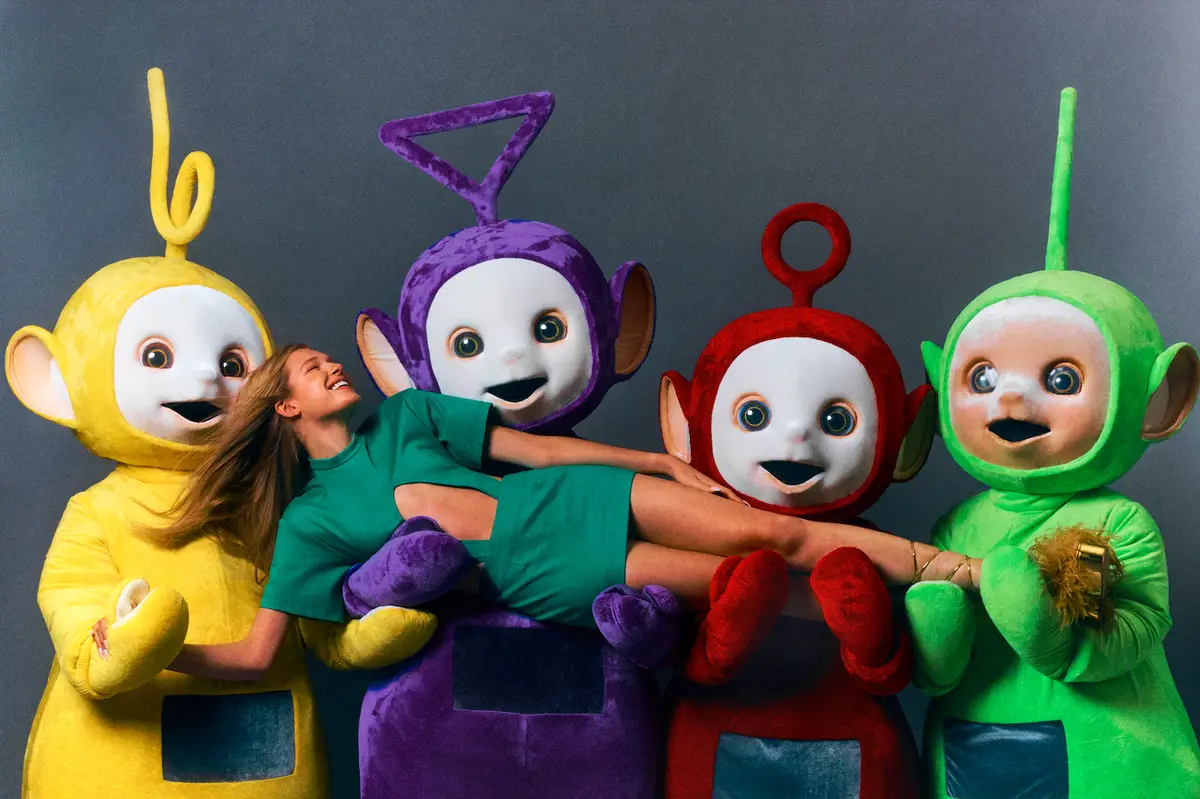

For many children growing up in the late 1990s and 2000s, the Teletubbies were more than television characters. Tinky Winky, Dipsy, Laa-Laa, and Po became familiar faces associated with bright colors, playful adventures, songs, and simple lessons. Alongside the popular television series, Teletubbies magazine gave young fans another way to enjoy their favorite characters away from the screen.
The magazine format was designed to bring the cheerful world of Teletubbyland into children’s hands. With colorful pictures, stories, games, puzzles, activities, and character-based features, it offered entertainment while encouraging young readers to interact with the material. For parents, these publications could also provide children with an easy introduction to magazines and early reading activities.
Today, old Teletubbies magazines can be interesting collectibles and nostalgic reminders of a particular era of children’s entertainment. They also show how popular television programs were adapted into print to create a broader experience for young audiences.
What Made Teletubbies Magazine Appealing to Children?
The most popular was its recognizable characters. Children who were already the fans of the television show were able to identify the Teletubbies right on the pages. Young readers were visually stimulated by the colorful look and personalities of their characters which made the magazine interesting.
The format of publication was mostly oriented towards a preschool audience. Children magazines also tend to employ huge drawings, brief texts, simple instructions and actions that make the children actively participate rather than relying on long blocks of complexistic texts. This style simplifies the content and allows young children to comprehend and have fun with parental or caregiver assistance.
There was one more critical characteristic; it was variety. A child might read character pictures, have a story read out loud, solve a simple puzzle, color a picture or have an activity completed. The combination made this magazine not to seem like an ordinary reading experience.
The whimsical style was also similar to the TV show. Tele Tubby land was intended to be a joyful and fantastical world and the magazine brought that to print.
To a young fan reading the issue may seem as an act of being given another little adventure with the already familiar people.
Stories, Games, and Activities for Young Readers
An educational children magazine should not be merely a picture book to keep the child readers entertained. Activities are especially convenient as they make reading interactive.
Publications using the theme of Teletubbies can be composed of easy puzzles, pairing exercises, colouring pages, counting exercises, picture games and other age-specific features. The activities allow children to train on simple skills and have fun.
Stories as well are significant. On the one hand, simple situations can be presented with short stories that are based on characters and invite children to continue to read what will occur. Children can be interested in the story due to already knowing the characters.
By involving their children in these activities, the parents can make them all the more useful. A parent may read a short passage, ask questions concerning the pictures, or assist a child with a puzzle. This provides a chance to learn together and discuss.
The magazine format thus allows a blend of entertainment and the early developmental activities without necessarily involving the latter as a formal school work.
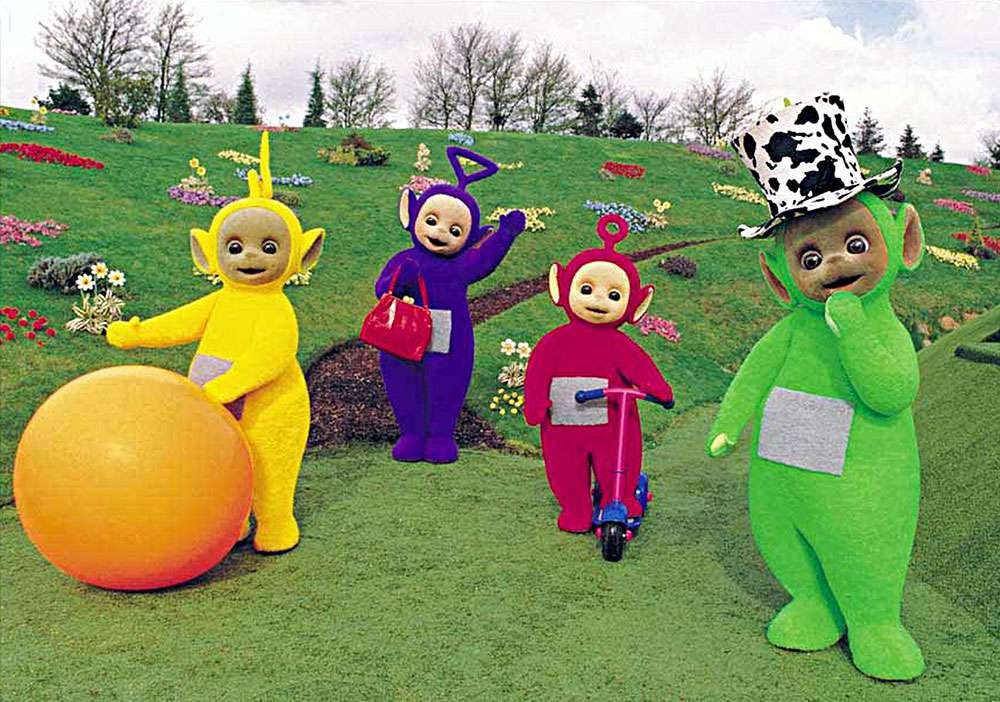
How the Magazine Supported Early Learning
Even when fun is the main goal of preschool entertainment, it may contain an educative aspect of it. A young-child-oriented magazine can facilitate early learning in a number of simple ways.
Photos may assist children in locating colors, objects, shapes; characters. Basic numbers can be motivated by having counting activities and matching games can promote observation and attention. Simple narratives may assist children to learn how to listen and yet learn the flow of events.
Vocabulary can also be enhanced through reading together. When a child is being explained about the unfamiliar words by an adult, or when a child is being questioned about what he/she sees, the child can practice communication.
It is also worthwhile to promote the use of printed material amongst children. Page turning, instructions of the activities, illustrations and identification of repeated words and sentences can make children comfortable with books and magazines.
Naturally, the kids periodical cannot be considered as an alternative to the formal education. It is valuable because of creating a sense of natural and enjoyable learning.
These basic activities were made particularly accessible to small children since they were offered through the Teletubbies characters who offered a familiar environment where the activities could be practiced.
Why Old Teletubbies Magazines Still Create Nostalgia
An old magazine can remind the adults about childhood as they have grown up watching the series. The hallmark personalities, vibrant art, common quotations and colorful layout may instantly prompt previous young devotees of an alternative stage of their lives.
One reason why the magazines of older children can generate collectors is their nostalgia. The reason why people hold onto copies is because they recall how they were given a gift, purchased in a store or read with the parents.
The state of an aged magazine can be a huge distinction to the collectors. Preserved covers, untorn pages, and included inserts and little writing or destruction are what usually make a magazine more attractive than an extremely paternalistic copy. Nonetheless, the sentiments value may be as crucial as the financial value.
Other individuals may gather these publications due to their interest in the media history of children and not because they believe that the magazines will turn to be a good investment.
They also offer a fascinating overview of how the popular children characters were packaged through the various media.
Teletubbies Magazine as a Piece of Children’s Media History
The Teletubbies have become so popular, which shows that entertainment among children may not always be on television. In the case of the program attaining great popularity, the characters it contains may be seen in writing, magazines, toys, clothing, games, etc.
Particularly interesting are magazines as they encompass a number of aspects of children media. They utilize familiar characters with some original stories, activities, artwork, and interactions.
This would provide a motivation to the children to interact with characters beyond TV show watching. It also provides publishers with an opportunity to make repeat content that can be bought by families to have collectively.
A retrospective on such publications nowadays can thus give a glimpse on the media culture of the children that existed in that age. The vibrant designs and easy games are all attributes of a young target audience, and the characters appearing all the time demonstrate the power of the Teletubbies brand.
These magazines may be tiny fragments of a much bigger cultural recollection, to collectors and to former fans.
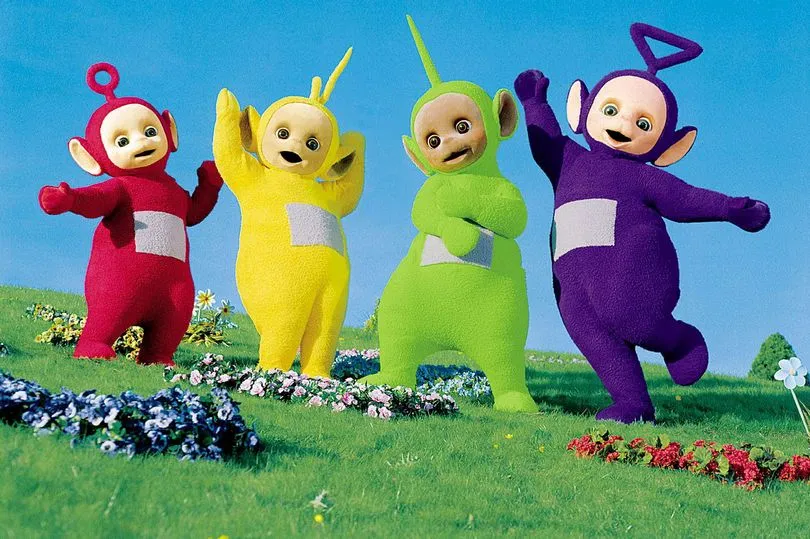
Final Thought
Teletubbies magazine offered young fans a colorful way to spend time with characters they already knew and loved. Through stories, pictures, games, puzzles, and simple activities, the publication combined entertainment with opportunities for early learning and parent-child interaction.
Its appeal was largely based on simplicity. Young children did not need complicated stories or difficult instructions to enjoy the experience. Familiar characters, bright artwork, and playful activities were enough to create an engaging world.
For today’s adults who remember the original Teletubbies era, old issues can also hold sentimental value. They represent a time when children’s entertainment was increasingly extending from television into printed publications and other forms of media.
Whether viewed as a childhood keepsake, a collector’s item, or an example of children’s publishing, Teletubbies magazine remains an interesting part of the franchise’s history.
Visit This site and more information: Vogue Magazine
FAQs
What was Teletubbies magazine?
Teletubbies magazine was a children’s publication based on the popular Teletubbies characters. It provided young fans with stories, pictures, games, puzzles, and activities related to the television series.
Who was Teletubbies magazine intended for?
The publication was primarily aimed at young children, particularly preschool-aged fans of the Teletubbies television program. Parents and caregivers could also participate in the activities and reading.
What kind of content could children find in the magazine?
Content could include character stories, colorful illustrations, puzzles, coloring activities, games, and simple educational exercises designed for young readers.
Why do people collect old children’s magazines?
People collect them for several reasons, including childhood nostalgia, interest in publishing history, character fandom, and appreciation of vintage children’s media.
Did Teletubbies magazine have educational value?
Its activities could support basic skills such as observation, counting, vocabulary, concentration, and early reading. These features were intended to make learning enjoyable rather than formal.
